


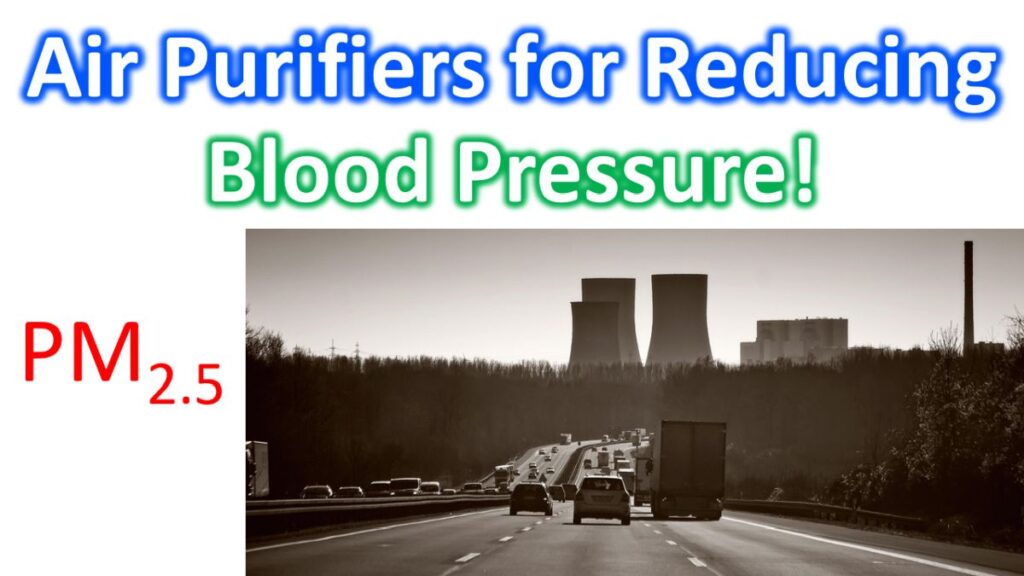

Particulate matter air pollution is being recognized as an important cardiovascular risk and many of our cities are having plenty of air pollution. A recent study published in the Journal of American College of Cardiology evaluated the role of high-efficiency particulate air (HEPA) filters at home in reducing blood pressure of adults living adjacent to highways [1]. Homes were randomized to either 1 month HEPA filtration or 1 month sham filtration. After a one month wash out period with no filtration, there was another 1 month period of the other type. So it was a randomized crossover trial.
HEPA filtration significantly reduced particulate matter concentration compared to indoor sham filtration and outdoor levels. Participants who had elevated systolic blood pressure had a significant 2.8 mm Hg mean reduction in systolic blood pressure after HEPA filtration. There was a 0.2 mm Hg mean increase in systolic blood pressure after sham filtration. That means a net result of 3 mm Hg mean difference in favour of HEPA filtration. No significant benefit was noted on diastolic blood pressure. Participants with normal systolic blood pressure also did not show any benefit. Authors concluded that in-home HEPA air purifiers resulted in clinically important reductions in systolic blood pressure for persons with elevated systolic blood pressure in environments with relatively low PM2.5 concentrations.
References
- Brugge D, Eliasziw M, Thanikachalam M, Kuchhal V, Morson C, Vazquez-Dodero T, Mertl A, Tallam P, Kunwar S, Sprague Martinez L, Rashid HS, Singh-Smith K, Gates H, Palma S, Goldstein-Gelb W, Ginzburg SL, Hersey SO, Majluf F, Zamore W. Effect of HEPA Filtration Air Purifiers on Blood Pressure: A Pragmatic Randomized Crossover Trial. J Am Coll Cardiol. 2025 Aug 26;86(8):577-589. doi: 10.1016/j.jacc.2025.06.037. Epub 2025 Aug 6. PMID: 40767818.