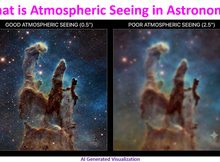
Atmospheric seeing refers to the blurring and twinkling of celestial objects caused by turbulent air in the Earth’s atmosphere. For an astronomer, the atmosphere acts like a constantly
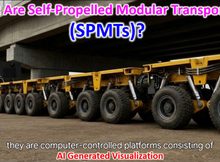
Self-Propelled Modular Transporters (SPMTs) are massive, multi-axle platform vehicles used to transport the heaviest and largest objects in the world—such as Starship and Super Heavy Booster, bridge sections,
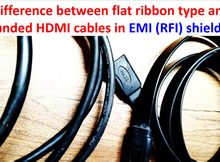
When it comes to HDMI cables, the shape of the cable drastically changes how it handles electromagnetic interference (EMI). For radio amateurs, it is very important when you
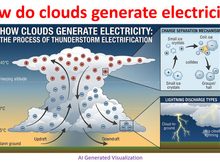
Clouds generate electricity through a massive process of static charge separation. Inside a developing thunderstorm, turbulent air and extreme temperatures act together like a giant static electricity generator.
The second Sun-Earth Lagrange point, or L2, is a gravitationally stable “parking spot” in space located roughly 1 million miles (1.5 million kilometers) directly behind Earth when viewed
When people hear “space lasers,” they often picture destructive orbital weapons from science fiction. In reality, space lasers are a rapidly growing, highly practical technology used primarily for
These five terms represent the most extreme physical phenomena in the universe. Four of them are intimately connected to the lifecycle and death of massive stars, while quasars
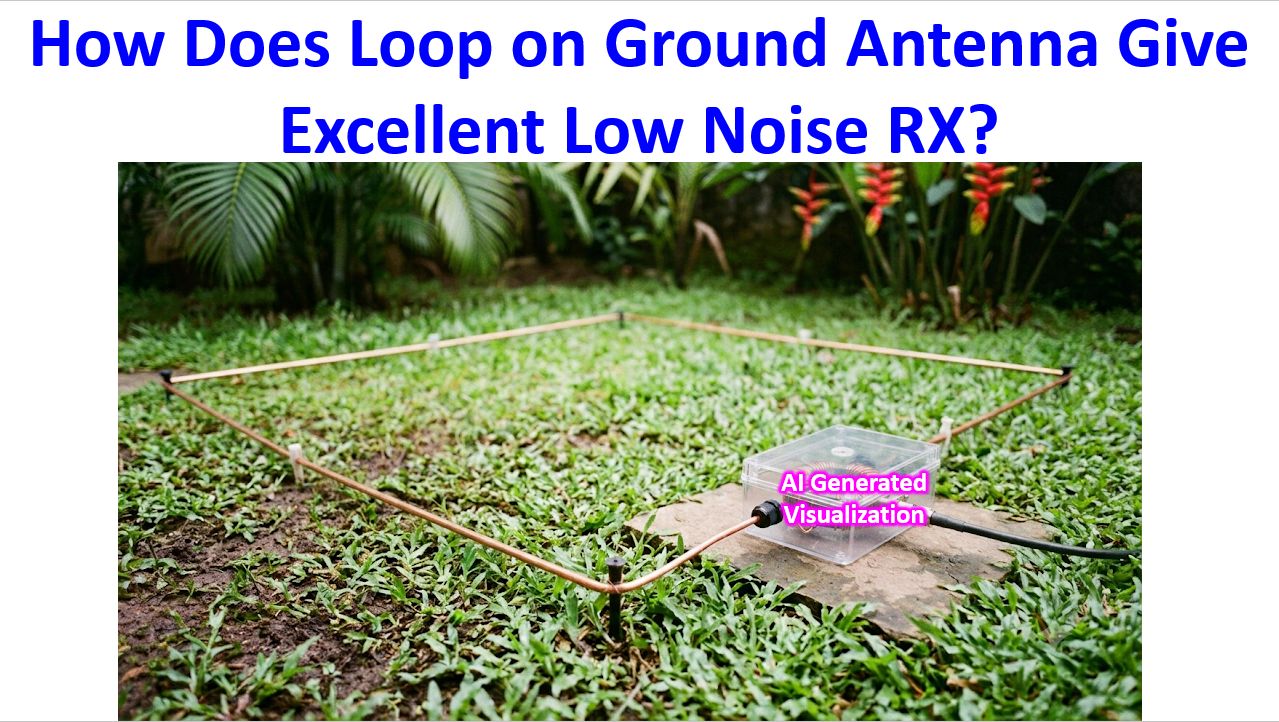
The Loop on Ground (LoG) antenna achieves exceptional low-noise reception by aggressively trading absolute gain for Signal-to-Noise Ratio (SNR). Rather than trying to pull in more signal, it
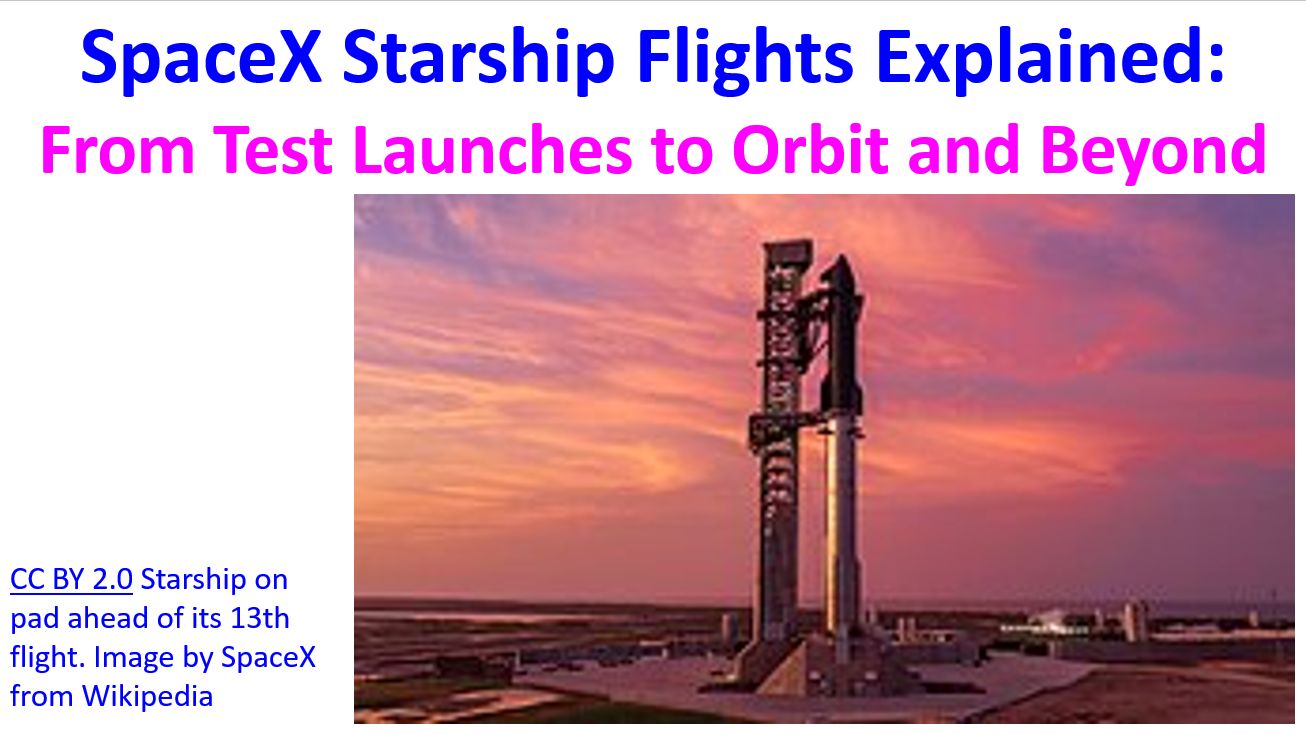
SpaceX’s Starship is the most powerful launch vehicle ever developed. Designed to carry more than 100 metric tonnes (and up to 100 passengers) to Earth orbit, the Moon,
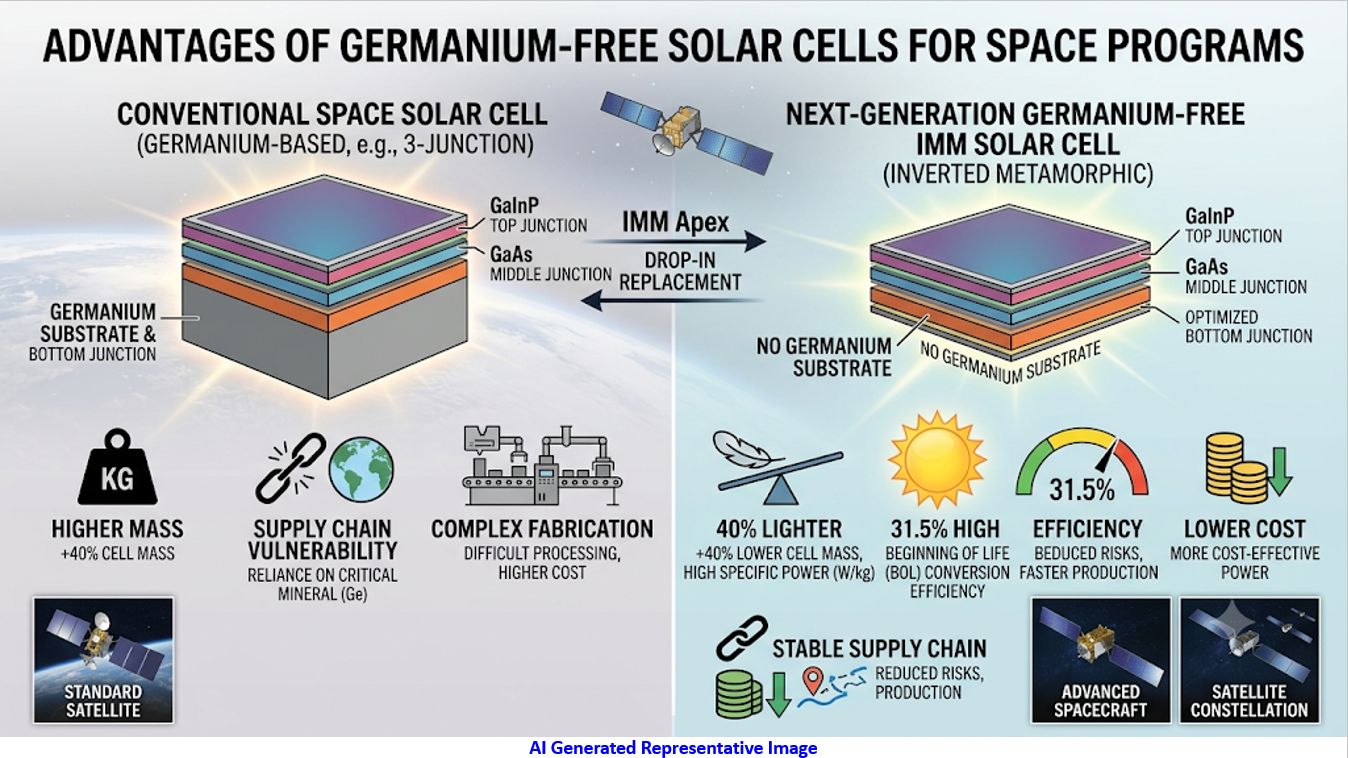
The recent shift toward germanium-free solar cells offers several significant advantages for space programs compared to traditional germanium-based multi-junction cells. Here are the primary benefits: In the latest