What is a Solar Storm?
What is a Solar Storm?
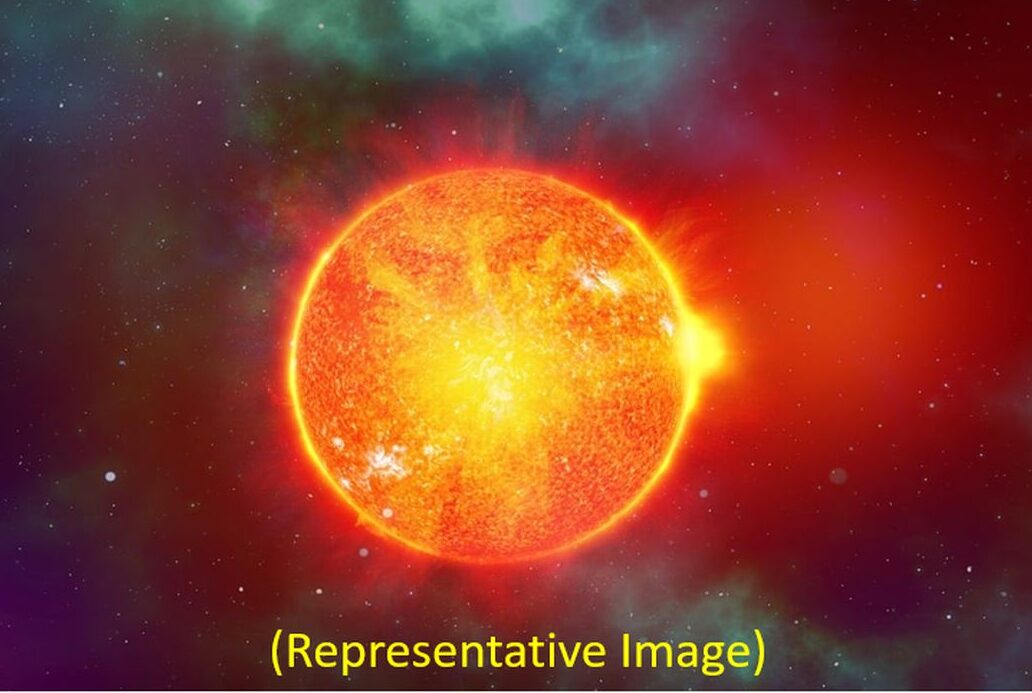
Solar storm typically starts as a huge explosion on the sun known as solar flare. This leads to huge bursts of electromagnetic energy with coronal mass ejections. Large streams of electrical charges and magnetic fields then travel towards the earth at very high speeds of the order of three million miles per hour. When these reach the earth’s atmosphere, several phenomena can occur. Most well known is the dazzling display of northern lights in regions near the Arctic circle, known as Aurora. Geomagnetic storms in response to a solar storm can disrupt satellites and electrical power grids.
Now what is the importance of a solar storm to an amateur radio operator? The large number of electrically charged particles and magnetic fields reaching the ionosphere disrupt HF radio propagation so that there might be radio black out on most bands. But like every cloud having a silver lining, there is something known as Auroral Propagation in which long distance VHF propagation may occur. Those located in upper latitudes can direct their VHF beam antenna to the Aurora which reflects the VHF signals so that long distance short duration communication may be possible. Contacts with stations up to 1800 Km away may be achieved with auroral propagation on VHF.
