Soluble fiber is a type of non-digestible carbohydrate that dissolves in water and gastrointestinal fluids to form a viscous, gel-like matrix in the digestive tract. While insoluble fiber
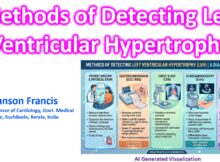
The detection of left ventricular hypertrophy (LVH) relies on a combination of electrical voltage criteria and structural imaging modalities. While electrocardiography serves as the primary screening tool, echocardiography
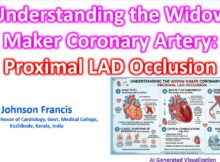
The term “widow maker” is the colloquial, though clinically ominous, name given to a critical stenosis or massive occlusion of the proximal Left Anterior Descending (LAD) artery. Because
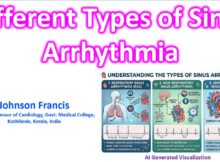
While sinus arrhythmia is often reflexively grouped under normal physiological variants, clinically, it presents in three distinct forms driven by different mechanisms. Here is a breakdown of the
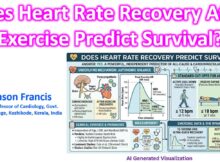
Yes, unequivocally. Heart rate recovery (HRR) is a powerful, independent predictor of all-cause and cardiovascular mortality. Here is a breakdown of the clinical evidence, the physiology, and how
Elevated 24-hour urine fractionated metanephrines (metanephrine and normetanephrine) indicate a hyperadrenergic state. Most commonly these elevations are looked for when working up secondary hypertension, but the differential spans
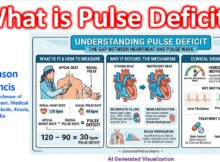
A pulse deficit is the clinical finding where the heart rate (counted by listening to the apical beat with a stethoscope) is higher than the peripheral pulse rate
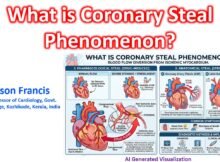
Coronary Steal (or Coronary Steal Phenomenon) is a vascular diversion where an alteration in coronary circulation redistributes blood flow away from an already ischemic area of the myocardium
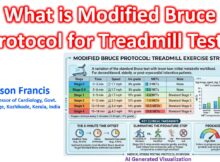
The Modified Bruce Protocol is a variation of the standard Bruce treadmill exercise stress test designed to lower the initial metabolic workload. It is primarily utilized for deconditioned,
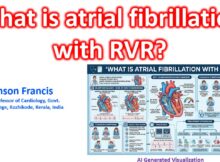
Atrial fibrillation (AFib) with rapid ventricular response (RVR) is a cardiac arrhythmia characterized by completely disorganized electrical activity in the heart’s upper chambers (atria) combined with a fast,