Electrophysiology study is an advanced evaluation of heart rhythm disorders. It is usually resorted to in cases where simple medications are not effective in controlling the rhythm abnormalities.
Disorders of heart rhythm are technically known as cardiac arrhythmia. Rhythm disorders can be irregularity in the rhythm or change in the heart rate (increase or decrease). Commonest
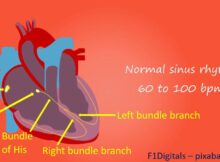
Electrical system of the heart ensures its rhythmic contractions at normal rate of 60-100 per minute. The signal generator of the heart is known as the sinoatrial node
Our heart has four chambers and four valves. The valves are named as mitral valve, tricuspid valve, aortic valve and pulmonary valve. They prevent backflow of blood and
Blood vessels supplying oxygenated blood to the heart muscle are known as coronary arteries. The two important coronary arteries are the right coronary artery and the left main
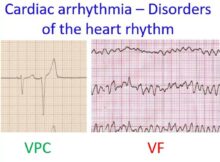
Cardiac arrhythmia – Disorders of the heart rhythm Disorders of the heart rhythm are known as cardiac arrhythmia. Cardiac arrhythmia can be very mild insignificant disorders like an
Coarctation of aorta is a localized narrowing of the largest blood vessel of the body supplying oxygenated blood. It usually occurs in the upper part of the chest
Stress echocardiography is echocardiography done when the heart is under stress with exercise or medications. Echocardiography is imaging of the heart using ultrasound waves. An ultrasound beam is
Atrioventricular node (AV node) is an important part of the electrical conduction system of the heart. Normal functioning of the heart needs regular signal generation and transmission. Signal