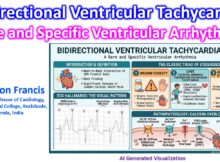
Bidirectional Ventricular Tachycardia (BVT) is a rare, highly specific ventricular tachyarrhythmia characterized by a beat-to-beat alternation of the QRS frontal plane axis. It is a critical finding when
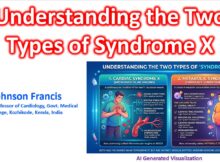
The term “Syndrome X” historically refers to two completely distinct medical conditions—one cardiovascular and one metabolic. Because the shared name often caused confusion, modern medicine has largely shifted
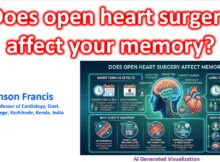
Open heart surgery can indeed affect a person’s memory and thinking skills. This is a recognized medical condition called Postoperative Cognitive Dysfunction (POCD). While it is common in
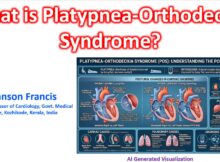
Platypnea-orthodeoxia syndrome (POS) is a rare clinical condition characterized by dyspnea (platypnea) and arterial desaturation (orthodeoxia) that occur in the upright position and resolve when the person is
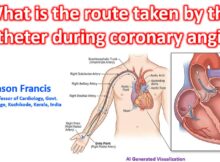
The precise anatomical route of the catheter depends on the chosen access site. While the transfemoral approach was historically the standard, the transradial approach is now the dominant
Yes, statins can cause a small amount of plaque regression (shrinkage), but their primary and most life-saving benefit is actually plaque stabilization. To understand how statins work, it
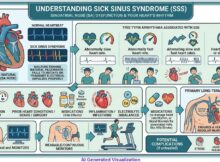
Sick Sinus Syndrome (SSS), also known as sinus node dysfunction (SND), is a collection of heart rhythm disorders caused by a malfunctioning sinoatrial (SA) node—the heart’s primary natural
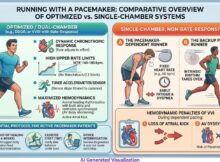
The primary limiting factor for exercise is almost always the underlying structural heart disease in a person with optimized pacing system, rather than the presence of the device
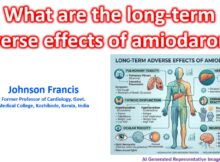
Amiodarone is highly effective for managing cardiac arrhythmias, but its long-term use is limited by a broad profile of adverse effects. Because the drug is highly lipid-soluble (fat-soluble)
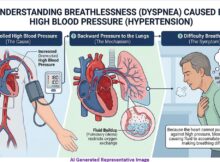
Yes. While mild to moderate, uncomplicated essential hypertension is generally asymptomatic, dyspnea becomes a prominent symptom once the chronically elevated systemic vascular resistance begins to cause structural and