What is the Speciality of Raptor Engines?
SpaceX’s Raptor engine is distinguished primarily by its use of a full-flow staged combustion (FFSC) cycle and a methalox propellant mixture. Designed specifically to power the Starship launch vehicle, it is engineered to maximize efficiency, chamber pressure, and reusability for deep space missions.
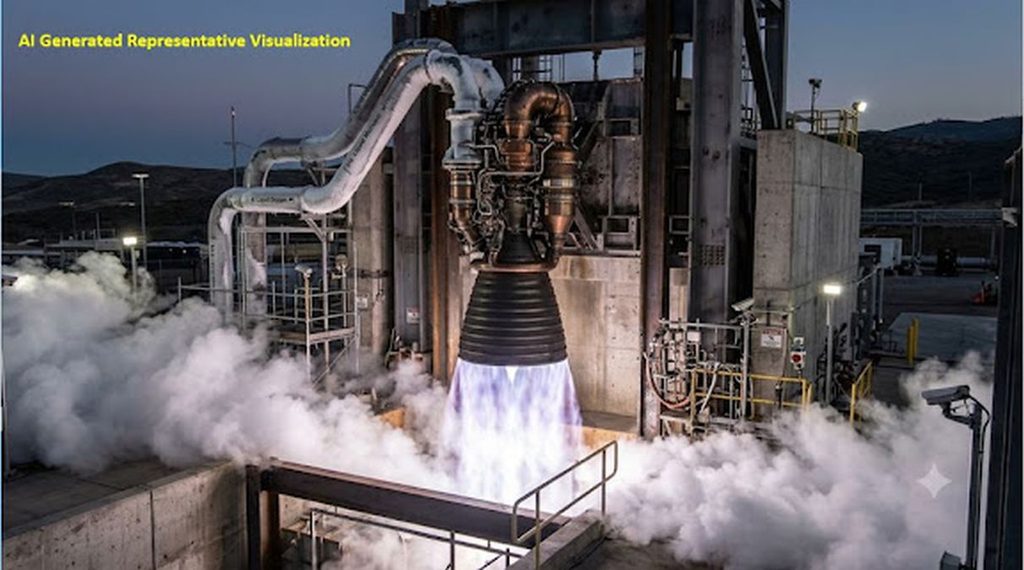
- Full-Flow Staged Combustion (FFSC): Most rocket engines waste a small amount of propellant to drive the turbopumps that feed the main combustion chamber. The Raptor, however, uses two separate preburners—one fuel-rich and one oxidizer-rich—to completely boil all the liquid propellant into hot, high-pressure gases before it enters the main chamber. This means 100% of the propellant contributes to thrust. Raptor is the first FFSC engine in history to achieve flight.
- Extreme Chamber Pressure: Driving all the propellant into the main chamber as a hot gas allows the engine to achieve unprecedented internal pressure. The Raptor holds the world record for the highest combustion chamber pressure of any operational rocket engine, routinely operating at over 300 bar (4,350 psi), which generates immense thrust from a relatively compact engine bell.
- Methalox Propellant (Methane + LOX): Raptor abandons the highly refined kerosene (RP-1) used by the Falcon 9’s Merlin engines in favor of sub-cooled liquid methane (CH4) and liquid oxygen (LOX). Methane can be synthesized directly on the surface of Mars using local subsurface water and atmospheric carbon dioxide (via the Sabatier reaction), which is a hard requirement for Starship’s interplanetary return flights.
- Soot-Free Rapid Reusability: Kerosene engines suffer from “coking”—the buildup of carbon soot inside the engine plumbing that must be cleaned between flights. Methane burns exceptionally cleanly, leaving virtually no residue. This clean burn is critical to achieving SpaceX’s goal of aircraft-like, rapid turnaround times without requiring engine teardowns between launches.
Related Posts


About The Author
