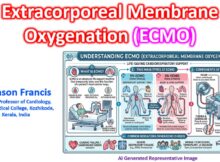
Extracorporeal Membrane Oxygenation (ECMO) is a critical, complex intervention in the management of refractory cardiogenic shock and severe respiratory failure. Key Cardiovascular Considerations in VA-ECMO Unlike VV-ECMO, which
Radiofrequency (RF) catheter ablation has evolved from a rescue therapy to a primary strategy in the management of recurrent ventricular tachycardia (VT), particularly for patients with structural heart
Cardiac tamponade is fundamentally a mechanical problem: the accumulation of pericardial fluid under high pressure restricts the heart’s ability to fill during diastole. This creates a state of
Localization of an accessory pathway (AP) relies on analyzing the initial 20–40 milliseconds of the QRS complex — the delta wave. Because this initial deflection represents purely pre-excited
Echocardiographic evaluation is the cornerstone for diagnosing constrictive pericarditis (CP). The fundamental pathophysiology of constriction involves a rigid, non-compliant pericardium that limits total cardiac volume, leading to exaggerated
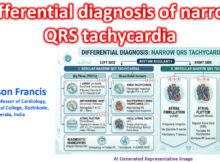
When a patient presents with a regular or irregular tachycardia and a narrow QRS complex (less than 120 milliseconds), it tells us that ventricular depolarization is occurring via
Arrhythmias represent the leading cause of morbidity, unplanned hospitalization, and death in adults with congenital heart disease (ACHD). Managing them requires shifting focus from simple rate or rhythm
Secondary hypertension refers to an elevated blood pressure caused by an underlying, identifiable, and potentially reversible condition. While long thought to affect only 5% to 10% of patients,
Intracardiac Echocardiography (ICE) is a highly specialized, invasive ultrasound modality that provides real-time, high-resolution imaging from inside the heart chambers. While transesophageal echocardiography (TEE) has long been the
Asplenia and polysplenia syndromes represent the two primary phenotypic expressions of heterotaxy (situs ambiguus), resulting from a failure to establish normal left-right asymmetry during embryonic development. In clinical