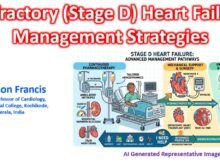
In the current clinical landscape, cardiac transplantation remains the definitive “gold standard” for end-stage heart failure (Stage D), yet the field is undergoing a paradigm shift driven by
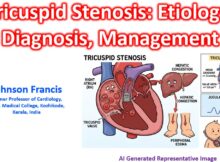
Tricuspid Stenosis (TS) is a valvular heart disease characterized by the narrowing of the tricuspid valve orifice, which creates a mechanical obstruction to blood flow from the right
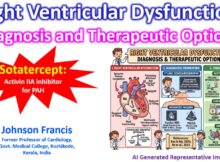
Right ventricular (RV) dysfunction is a clinical and hemodynamic syndrome resulting from impaired RV filling or ejection, often leading to systemic venous congestion and low cardiac output. Contemporary
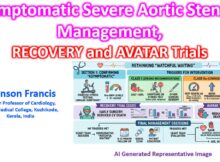
The management of asymptomatic severe aortic stenosis (AS) has undergone a paradigm shift. While “watchful waiting” was the historical standard, recent clinical trials (RECOVERY and AVATAR) have pushed
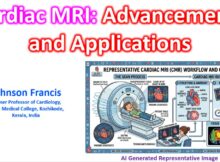
Cardiac Magnetic Resonance (CMR) has solidified its position as the “gold standard” for non-invasive assessment of cardiac structure and function. Currently, the field has moved beyond simple volumetric
The landscape of cardiac biomarkers is shifting from simple “damage detection” (like Troponin) to “pathophysiological profiling.” For a clinician focusing on diagnostics, the most relevant newer biomarkers are
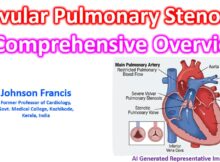
Valvular Pulmonary Stenosis (PS) is a form of right ventricular outflow tract obstruction where the pulmonary valve leaflets are thickened, fused, or dysplastic, impeding blood flow from the
Hypoplastic Left Heart Syndrome (HLHS) is a complex and severe congenital heart disease where the left side of the heart is underdeveloped and cannot effectively pump blood to
Concerns about radiation exposure in cardiac CT angiography (CCTA) are valid, but the landscape has shifted dramatically in recent years. The “standard” dose has plummeted thanks to better
The management of Refractory (Stage D) Heart Failure represents the most challenging frontier in cardiology. By definition, these patients remain symptomatic despite optimal medical therapy (OMT) at maximum