The medical management of Non-ST-Elevation Myocardial Infarction (NSTEMI) hinges on rapid risk stratification, optimal antithrombotic therapy, and determining the appropriate timing for an invasive strategy. The current approach,
The newer generation of anticoagulants—commonly referred to as Direct Oral Anticoagulants (DOACs) or Non-Vitamin K Antagonist Oral Anticoagulants (NOACs)—have largely replaced Vitamin K antagonists like warfarin for most
Lipoprotein(a)—commonly abbreviated as Lp(a)—has evolved from being viewed as a mere marker of residual cardiovascular risk to a recognized, independent, and causal driver of coronary artery disease (CAD)
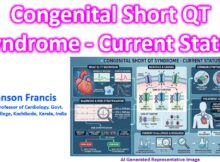
Congenital Short QT Syndrome (SQTS) is an extremely rare, highly lethal inherited channelopathy first identified in 2000. It is characterized by an abnormally abbreviated repolarization phase, which significantly
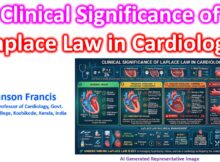
Laplace’s Law is a fundamental biomechanical principle that explains the relationship between the pressure within a hollow anatomical structure, its geometric dimensions, and the resulting tension or stress
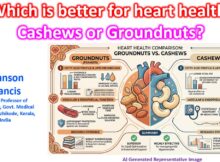
When evaluating groundnuts (peanuts) versus cashews for cardiovascular health, groundnuts generally have a slight clinical edge in both their fatty acid profile and the volume of evidence supporting
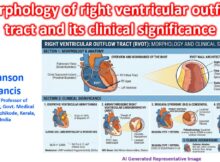
The right ventricular outflow tract (RVOT), also known as the infundibulum or conus arteriosus, is a distinct anatomical and functional entity of the right ventricle. It acts as
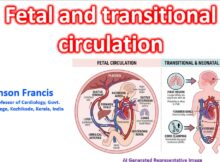
Fetal circulation is a highly specialized system designed to optimize oxygen delivery to the developing brain and myocardium while bypassing the non-functional fetal lungs and immature liver. It
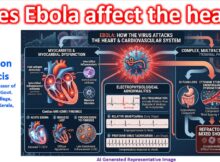
While Ebola Virus Disease (EVD) is primarily recognized for its profound hemorrhagic complications and systemic shock, direct and indirect cardiovascular involvement is a significant and often fatal component
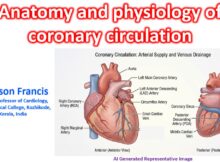
Here is a comprehensive breakdown of the anatomy and physiology of coronary circulation. I. Anatomy of Coronary Circulation The coronary circulation consists of the blood vessels that supply