Latest
Heart Disease FAQ
Air inside the heart is air embolism. Air can enter the circulation through an open vein, especially in the neck when one breathes in as air is sucked
Read More
Heart Disease FAQ
Statins are a group of medicines used for lowering cholesterol level. Two potential adverse effects of statins are muscle damage and liver injury.
Read More
Heart Disease FAQ
Cardiac output is the product of stroke volume and heart rate. It will not rise sufficiently with exercise if the heart rate response is blunted.
Read More
Cardiology X-ray
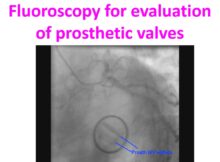
Fluroscopy is an excellent tool for the evaluation of mechanical prosthetic valves.
Read More
Heart Disease FAQ
Can spontaneous cure occur for cardiac ailments? Everyone is afraid of heart disease. Still some are reluctant to take medications or undergo procedures, especially operations for heart disease.
Read More
Heart Disease FAQ
Artificial valve material is thrombogenic. Clots can form on the valve and obstruct it. Fragments of clot can detach from the valve and get lodged elsewhere
Read More
Heart Disease FAQ
Electrical defect of the heart: disorders affecting the electrical conduction system of the heart.
Read More
Heart Disease FAQ
Maximum possible blood pressure: The maximum pressure which the human left ventricle can generate is about 300 mm Hg.
Read More
Heart Disease FAQ
Heart rate rises about 10 beats for every degree rise of body temperature.
Read More
Heart Disease FAQ
Urine metanephrines can be elevated in pheochromocytoma. They are metabolites of catecholamines.
Read More
Posts navigation