കാർഡിയാക് ഇൻവേലിഡിസം ഹാർട്ട് അറ്റാക്കിൽ നിന്ന് മതിയായ സുഖം പ്രാപിക്കൽ ഉണ്ടായിട്ടും ശാരീരികവും മാനസികവുമായ വിഷമതകൾ അനുഭവിക്കുന്ന വ്യക്തികളെ പറ്റിയാണ് ‘കാർഡിയാക് ഇൻവാലിഡിസം’ എന്ന് പറയുന്നത്. ആയിരത്തി തൊള്ളായിരത്തി അറുപതുകളിലാണ് ഈ പദം രൂപ കല്പന ചെയ്തത്. ഈ
റെനിൻ ആൻജിയോടെൻസിൻ ആൽഡോസ്റ്റെറോൺ ആക്സിസ് വൃക്കകളിലേക്കുള്ള രക്തയോട്ടം കുറയുന്നത് റെനിൻ സ്രവിക്കാൻ കാരണമാകുന്നു. രക്തക്കുഴലുകളുടെ പേശികളുടെ സങ്കോചത്തിന് കാരണമാകുന്ന ശക്തമായ വാസകോൺസ്ട്രിക്റ്ററായ ആൻജിയോടെൻസിൻ ഉത്പാദനം റെനിൻ വർദ്ധിപ്പിക്കുന്നു. കൃത്യമായി പറഞ്ഞാൽ ആൻജിയോടെൻസിൻ II ഏറ്റവും ശക്തമായ വാസകോൺസ്ട്രിക്റ്ററുകളിൽ ഒന്നാണ്.
കൊമോഷിയോ കോർഡിസ് (Commotio Cordis) എന്താണ്? ചിലപ്പോൾ ഒരു കളിക്കാരൻ അബദ്ധത്തിൽ ഒരു പന്ത് അല്ലെങ്കിൽ മറ്റൊരു കളിക്കാരൻ ദേഹത്തു തട്ടി പെട്ടന്ന് ഹൃദയസ്തംഭനമുണ്ടായി താഴെ വീഴുന്നു. ഇത് പെട്ടന്നുള്ള മരണത്തിൽ കലാശിച്ചേക്കാം. ഈ അവസ്ഥ കൊമോഷിയോ കോർഡിസ്
വിഷാദം ഹാർട്ട് ഫെയ്ലറിനുള്ള സാധ്യത വർദ്ധിപ്പിക്കുന്നു വിഷാദരോഗികളാകുന്ന ഹൃദ്രോഗികൾക്ക് ഹാർട്ട് ഫെയ്ലറിനുള്ള സാധ്യത കൂടുതലാണ്. ലോകത്തിലെ ദശലക്ഷക്കണക്കിന് ആളുകളെ ഹൃദ്രോഗം ബാധിക്കുന്നു. ഹാർട്ട് അറ്റാക്ക് ഉണ്ടായവരിൽ നടത്തിയ പഠനത്തിൽ, ഹാർട്ട് അറ്റാക്കിന് ശേഷം ആളുകൾക്ക് വിഷാദരോഗം ഉണ്ടാകാനുള്ള സാധ്യത
സിസ്റ്റോളിക് രക്തസമ്മർദ്ദവും പൾസ് വോളിയവും ശ്വാസം ഉള്ളിലേക്ക് വലിക്കുമ്പോൾ കുറയുന്നതെന്തുകൊണ്ട്? സിസ്റ്റോളിക് രക്തസമ്മർദ്ദവും പൾസ് വോളിയവും ശ്വാസം ഉള്ളിലേക്ക് വലിക്കുമ്പോൾ കുറയുന്നു. ശ്വാസം ഉള്ളിലേക്ക് വലിക്കുമ്പോൾ, നെഗറ്റീവ് ഇൻട്രാതോറാസിക് മർദ്ദം കാരണം സിരകളിലൂടെ ഹൃദയത്തിലേക്കുള്ള രക്തത്തിന്റെ ഒഴുക്ക് വർധിക്കുന്നു.
റോസ്സ് പ്രൊസീജ്യർ (അയോർട്ടോപൾമോണറി ട്രാൻസ്ലോക്കേഷൻ) അയോർട്ടിക് സ്റ്റെനോസിസിന്റെ ചികിത്സയ്ക്കായി ഉപയോഗിക്കുന്ന ഒരു ഓപ്പറേഷൻ ആണ് അയോട്ടോപൾമോണറി ട്രാൻസ്ലോക്കേഷൻ എന്നും അറിയപ്പെടുന്ന റോസ്സ് പ്രൊസീജ്യർ. അയോർട്ടിക് സ്റ്റെനോസിസ് എന്നാൽ മഹാധമനിയിലേക്കുള്ള വാൽവ് ചുരുങ്ങി പോകുന്നതാണ്. ഇതിൽ, രോഗിയുടെ സ്റ്റെനോട്ടിക് അയോർട്ടിക്
ഹാർട്ട് അറ്റാക്കിന് ശേഷം ഒറ്റയ്ക്ക് താമസിക്കുന്നവർക്ക് അപകടസാധ്യത കൂടുതലാണ് അമേരിക്കൻ ജേർണൽ ഓഫ് കാർഡിയോളജിയിൽ യേൽ സ്കൂൾ ഓഫ് മെഡിസിനിൽ നിന്നുള്ള എമിലിയും സഹപ്രവർത്തകരും പ്രസിദ്ധീകരിച്ച ഒരു റിപ്പോർട്ട് പ്രകാരം, ഒറ്റയ്ക്ക് താമസിക്കുന്നവർക്ക് ഒരു വർഷത്തിനുള്ളിൽ അപകടസാധ്യത സമാനമാണെങ്കിലും,
പതിവ് വ്യായാമം ഹാർട്ട് ഫെയ്ലർ മെച്ചപ്പെടാൻ സഹായിക്കും ജർമ്മനിയിലെ ഗവേഷകർ വ്യായാമം ഹൃദയപേശികളിലെ പുതിയ ഫൈബറുകളുടെയും രക്തക്കുഴലുകളുടെയും വളർച്ചയ്ക്ക് സഹായിക്കുമെന്നും അങ്ങനെ ഹൃദയത്തിന്റെ പ്രവർത്തനം വർദ്ധിപ്പിക്കുമെന്നും കണ്ടെത്തി. എന്നാൽ ശ്രദ്ധിക്കുക, പെട്ടെന്നുള്ള വ്യായാമം ഹാർട്ട് ഫെയ്ലർ കൂടുതൽ വഷളാക്കുകയും
തീരെ വ്യായാമം ഇല്ലാത്തതിനെക്കാൾ മെച്ചമാണ് കുറച്ച് വ്യായാമം! വ്യായാമം നിങ്ങളുടെ ഹൃദയത്തിന്റെ ആരോഗ്യത്തിന് നല്ലതാണെന്ന് എല്ലാവർക്കും അറിയാം. എന്നാൽ ഒരു പ്രധാന ചോദ്യം എത്രത്തോളം വ്യായാമം മതിയാകും എന്നതാണ്. കഠിനമായ വ്യായാമ ഷെഡ്യൂളുകൾ നടത്താൻ നിങ്ങൾക്ക് സമയം കണ്ടെത്താൻ
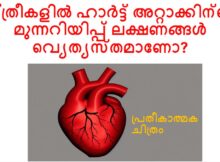
സ്ത്രീകളിൽ ഹാർട്ട് അറ്റാക്കിന്റെ മുന്നറിയിപ്പ് ലക്ഷണങ്ങൾ ഹാർട്ട് അറ്റാക്കിന്റെ മുന്നറിയിപ്പ് ലക്ഷണങ്ങൾ സ്ത്രീകളിൽ അല്പം വ്യത്യസ്തമായിരിക്കാം. McSweeneyയും സഹപ്രവർത്തകരും നടത്തിയ ഒരു പഠനത്തിൽ നിന്നുള്ള ഡാറ്റ ഇപ്രകാരമാണ്: ഹാർട്ട് അറ്റാക്കിന് മുമ്പുള്ള ആഴ്ചകളിൽ, എഴുപത് ശതമാനത്തിലധികം സ്ത്രീകൾ അസാധാരണമായ