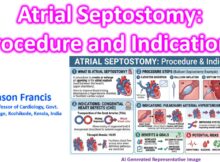
An atrial septostomy is an interventional or surgical procedure used to create or enlarge an opening in the interatrial septum, establishing a controlled right-to-left (or bidirectional) shunt. Depending
Measuring cardiac output (CO) is a cornerstone of hemodynamic monitoring, moving historically from highly invasive gold standards to modern, non-invasive digital approximations. The primary clinical modalities are categorized
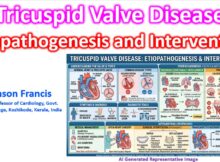
Historically designated as the “forgotten valve,” the tricuspid valve (TV) has undergone a major clinical paradigm shift. Driven by advances in multimodality imaging and transcatheter edge-to-edge repair (TEER),
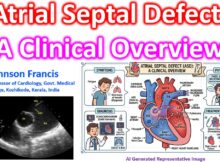
Atrial Septal Defect (ASD) is one of the most common congenital heart diseases encountered in adulthood. While frequently asymptomatic during childhood, its long-term hemodynamic consequences demand precise anatomical
Managing coronary bifurcation lesions (CBLs) requires balancing side-branch (SB) protection, stent optimization, and long-term vessel patency. Because plaque or carina shifts during main vessel (MV) expansion can jeopardize
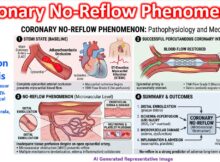
The coronary no-reflow phenomenon is a clinical condition characterized by inadequate myocardial perfusion through a given segment of the coronary circulation without evidence of mechanical obstruction in the
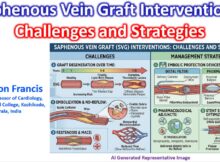
Interventions for Saphenous Vein Grafts (SVG) remain a high-risk subset of percutaneous coronary intervention (PCI) due to the unique pathophysiology of graft degeneration. Unlike native vessel atherosclerosis, SVG
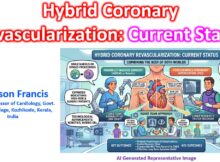
Hybrid coronary revascularization (HCR) continues to evolve as a sophisticated “best of both worlds” strategy for multivessel coronary artery disease (MVCAD). By combining the gold-standard durability of a
Acute Fulminant Myocarditis (FM) is a rapidly progressive and life-threatening form of myocardial inflammation characterized by sudden-onset heart failure, severe hemodynamic instability, and often cardiogenic shock or malignant
In the management of non-ischemic heart disease, exercise testing has evolved from a tool for “ischemia detection” to a sophisticated method for functional phenotyping, hemodynamic unmasking, and prognostic