The evaluation of a continuous murmur requires a systematic approach to differentiate between benign physiological flows and complex pathological shunts. A continuous murmur is defined by its timing:
The diagnostic evaluation of syncope has transitioned from a fragmented, test-heavy approach to a standardized, risk-stratified pathway. Current guidelines emphasize that the initial assessment can provide a definitive
The integration of Transcranial Doppler (TCD) with the Head-Up Tilt (HUT) test provides a sophisticated window into cerebral autoregulation and the pathophysiology of syncope. While a standard HUT
The evidence base for endovascular stenting, primarily Endovascular Aneurysm Repair (EVAR) for abdominal aortic aneurysms (AAA) and Thoracic Endovascular Aortic Repair (TEVAR) for thoracic aneurysms, has evolved through
Tachycardia-Induced Cardiomyopathy (TIC)—often referred to as Arrhythmia-Induced Cardiomyopathy—is a unique clinical entity where persistent or frequent tachyarrhythmias lead to significant ventricular dysfunction. The hallmark of TIC is its
The hemodynamics of constrictive pericarditis (CP) are defined by a rigid, noncompliant pericardium that encases the heart, leading to a “fixed” total cardiac volume. This pathological state results
Acute Pulmonary Embolism (PE) remains a critical diagnosis requiring rapid risk stratification to dictate management, particularly in the era of expanding catheter-directed therapies and advanced hemodynamic support. Risk
The choice between a mechanical and a bioprosthetic valve is increasingly viewed through the lens of “lifetime management,” shifting away from a simple age-based binary toward a more
Cardiac involvement is a defining feature of Hantavirus Cardiopulmonary Syndrome (HCPS) and a significant complication in Hemorrhagic Fever with Renal Syndrome (HFRS). While historical views categorized the cardiac
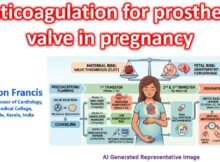
Managing anticoagulation for a mechanical prosthetic valve during pregnancy is one of the most complex scenarios in cardio-obstetrics. The primary challenge is balancing the maternal risk of valve