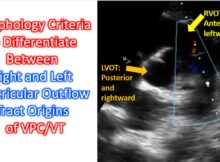
Outflow tract ventricular arrhythmias are the most common type of idiopathic ventricular arrhythmias. They typically occur in young patients. Differentiating between right ventricular outflow tract (RVOT) and left
ആൻജിയോപ്ലാസ്റ്റിയുമായി ചുരുക്കത്തിൽ താരതമ്യവും. ഹൃദയത്തിലേക്കുള്ള രക്തയോട്ടം തടസ്സപ്പെടുന്ന അവസ്ഥയിൽ ചെയ്യുന്ന പ്രധാന ശസ്ത്രക്രിയയാണ് ബൈപാസ് സർജറി (Coronary Artery Bypass Grafting – CABG). ഇതിനെക്കുറിച്ച് ലളിതമായ വിശദീകരണം താഴെ നൽകുന്നു. 1. ആർക്കാണ് ഈ ശസ്ത്രക്രിയ വേണ്ടത്?
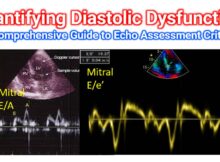
Quantifying diastolic dysfunction by echocardiography is essential for identifying heart failure with preserved ejection fraction (HFpEF). The current clinical standard is based on the 2016 ASE/EACVI Guidelines, though
ഹൃദയത്തിന്റെ താളം മാറുന്ന ചില അവസ്ഥകളിലാണ് പ്രധാനമായും പേസ്മേക്കറുകൾ ഉപയോഗിക്കുന്നത്. തൊലിക്കടിയിൽ വെക്കുന്ന ഒരു ചെറിയ ഇലക്ട്രോണിക് ഉപകരണമാണ്. ഹൃദയമിടിപ്പ് സാധാരണ നിലയിലാക്കാൻ ഇത് സഹായിക്കുന്നു. ഇതിനെക്കുറിച്ചുള്ള വിശദമായ വിവരങ്ങൾ താഴെ നൽകുന്നു: എപ്പോഴാണ് പേസ്മേക്കർ ആവശ്യമായി വരുന്നത്?
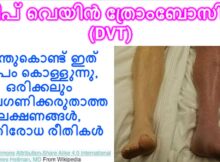
ശരീരത്തിലെ ഉള്ളിലുള്ള സിരകളിൽ (Deep Veins), പ്രത്യേകിച്ച് കാലുകളിൽ, രക്തം കട്ടപിടിക്കുന്ന അവസ്ഥയെയാണ് ഡീപ് വെയിൻ ത്രോംബോസിസ് (DVT) എന്ന് വിളിക്കുന്നത്. ഇത് കൃത്യസമയത്ത് തിരിച്ചറിഞ്ഞില്ലെങ്കിൽ കട്ടപിടിച്ച രക്തം ശ്വാസകോശത്തിലേക്ക് സഞ്ചരിക്കുകയും (Pulmonary Embolism) ജീവന് തന്നെ ഭീഷണിയാവുകയും
In clinical practice, administering intravenous (IV) calcium- whether as Calcium Gluconate or Calcium Chloride – is a high-alert intervention. While it is life-saving in cases of hyperkalemia or
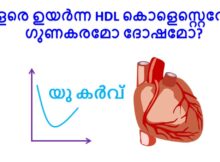
നല്ല എന്തെങ്കിലും അമിതമായാൽ ദോഷം ചെയ്യും, അങ്ങനെ പോകുന്നു പഴമൊഴി. ഉയർന്ന സാന്ദ്രതയുള്ള ലിപ്പോപ്രോട്ടീൻ കൊളസ്ട്രോളിന്റെ (എച്ച്ഡിഎൽ) കാര്യത്തിലും ഇത് ശരിയാണോ?എച്ച്ഡിഎൽ റിവേഴ്സ് കൊളസ്ട്രോൾ ഗതാഗതത്തെ പ്രതിനിധീകരിക്കുന്നു, ഇത് ഹൃദയ സംരക്ഷണത്തിന്റെ അടയാളമായി കണക്കാക്കപ്പെടുന്നു. എന്നാൽ “ബിഗ്-ഡാറ്റ” സമീപനം
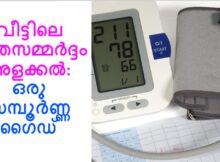
വീട്ടിലിരുന്ന് കൃത്യമായി രക്തസമ്മർദ്ദം (Blood Pressure) അളക്കുന്നത് ആരോഗ്യകാര്യത്തിൽ വലിയൊരു മുൻകരുതലാണ്. ഇത് കൃത്യമായി എങ്ങനെ ചെയ്യാം എന്നതിനെക്കുറിച്ചുള്ള ഒരു സമ്പൂർണ്ണ ഗൈഡ് താഴെ നൽകുന്നു. 1. ബിപി അളക്കുന്നതിന് മുൻപ് ശ്രദ്ധിക്കേണ്ട കാര്യങ്ങൾ രക്തസമ്മർദ്ദം അളക്കുന്നതിന് 30
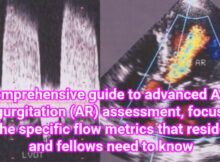
Assessing chronic Aortic Regurgitation (AR) requires a multi-parametric approach. For residents and fellows, the challenge lies in moving beyond simple color Doppler and mastering the quantitative metrics that
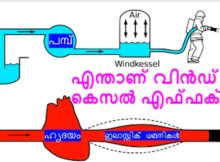
അയോർട്ട പോലുള്ള വലിയ ഇലാസ്റ്റിക് ധമനികളുടെ കാര്യത്തിലാണ് വിൻഡ്കെസൽ എഫ്ഫക്റ്റ് എന്ന പദം ഉപയോഗിക്കുന്നത്. ഇലാസ്റ്റിക് ധമനികൾക്ക് മസ്കുലർ ധമനികളേക്കാൾ ഇലാസ്റ്റിക് ടിഷ്യു ഉണ്ട്, അവ ഹൃദയത്തോട് അടുത്താണ് സ്ഥിതി ചെയ്യുന്നത്. ഇടത് വെൻട്രിക്കിളിൽ നിന്ന് ഉത്ഭവിക്കുന്ന ഏറ്റവും