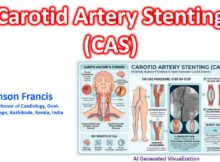
Carotid artery stenting (CAS) has evolved significantly over the past two decades, transitioning from an alternative for high-surgical-risk patients to a mainstream revascularization strategy with a highly nuanced
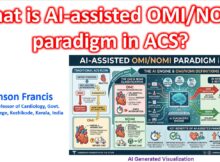
The AI-assisted OMI/NOMI paradigm represents a fundamental shift in the classification and acute management of acute coronary syndrome (ACS). It replaces the traditional, millimeter-based STEMI/NSTEMI dichotomy with a
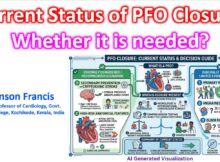
For most people, a patent foramen ovale (PFO) never needs to be closed. It is a common anatomical variant present in about 25% of the general population and
The 6-Minute Walk Test (6MWT) remains a cornerstone submaximal exercise test for objective functional assessment. Because it correlates well with peak VO2 and daily physical activities, it is
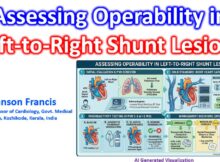
Assessing the operability of a left-to-right shunt (such as an ASD, VSD, or PDA) fundamentally hinges on quantifying the degree of pulmonary vascular disease (PVD). The core objective
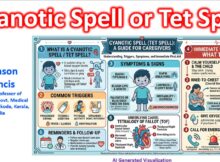
A Cyanotic Spell, most commonly referred to as a Tet Spell, is an acute, life-threatening episode of profound hypoxia primarily seen in infants with Tetralogy of Fallot (ToF).
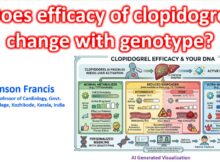
Yes, the efficacy of clopidogrel is highly dependent on genotype, specifically regarding the CYP2C19 gene. Because clopidogrel is a thienopyridine prodrug, it requires a two-step hepatic biotransformation to
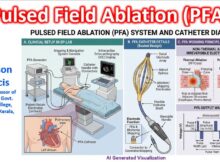
Pulsed Field Ablation (PFA) has emerged as a revolutionary paradigm shift in the treatment of atrial fibrillation (AF), transitioning with unprecedented speed from an experimental concept to a
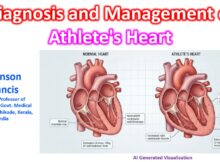
The diagnosis and management of Athlete’s Heart hinges on distinguishing benign, exercise-induced cardiac remodeling from structural cardiomyopathies that predispose patients to sudden cardiac death (SCD). The physiological adaptations
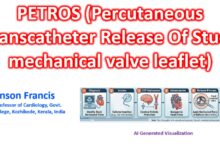
PETROS stands for Percutaneous Transcatheter Release Of Stuck mechanical leaflet (or mechanical valve). It is an emerging, bail-out structural heart intervention used to mechanically mobilize jammed prosthetic valve