High risk patients for coronary stent thrombosis High risk patients for coronary stent thrombosis with respect to the stented region would be: Long stented segments Multiple stents Overlapping
Risk for stent thrombosis after early surgery Risk of cardiac death, myocardial infarction or stent thrombosis is increased 27 – fold in the week following non-cardiac surgery, compared
Factors contributing to the post surgical prothrombotic state, predisposing to coronary stent thrombosis: There is an increased release of cytokines and neuroendocrine inflammatory mediator release. Platelet adhesiveness is
Stent thrombosis in the setting of surgery Stent thrombosis is a serious complication, which is more likely with drug eluting stents (DES) than bare metal stents (BMS). This
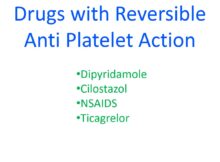
Drugs with reversible anti platelet action While the antiplatelet actions of clopidogrel and prasugrel are irreversible, that of the following drugs are reversible: Dipyridamole Cilostazol NSAIDS (non steroidal
Withholding anti platelet therapy in those with coronary stents Five to ten percent of patients who have been implanted a coronary stent will need a surgery within the
Reversible and irreversible platelet inhibition by anti platelet agents Agents which irreversibly inhibit platelets are: Aspirin Ticlopidine Clopidogrel Prasugrel In general all these agents except prasugrel are ideally
Cardiovascular surgeries with high risk of bleeding: Re-do surgeries Surgeries in the setting of infective endocarditis Coronary artery bypass grafting after failed percutaneous coronary intervention – bail out
Factors promoting stent thrombosis following surgery The most important factor promoting stent thrombosis following non cardiac surgery is the withdrawal of antiplatelet agents. Another important factor is that
Urine albumin creatinine ratio predicts cardiovascular events Urine albumin creatinine ratio (UACR) is known to predict cardiovascular events. Elevated urine albumin creatinine ratio would mean at least low