Here are the hallmark features of digoxin toxicity, focusing on the clinical presentation, electrolyte shifts, and the classic ECG findings. 1. ECG Manifestations Digoxin toxicity creates a dangerous
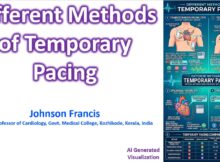
Temporary cardiac pacing is a critical intervention for hemodynamically unstable bradyarrhythmias, typically serving as a rapid bridge to permanent pacemaker implantation or the resolution of a transient conduction
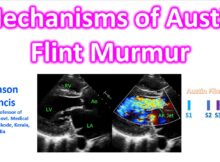
The Austin Flint murmur is a low-pitched, mid-to-late diastolic rumbling murmur heard best at the cardiac apex in patients with moderate-to-severe aortic regurgitation (AR). It mimics the murmur
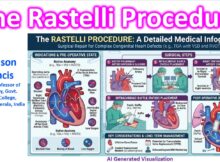
The Rastelli procedure is a definitive surgical repair utilized for complex congenital heart defects characterized by a ventricular septal defect (VSD), an overriding aorta, and severe right ventricular
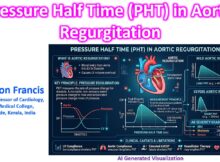
Pressure half-time (PHT) is a core echocardiographic parameter for assessing the severity of aortic regurgitation (AR). It measures the time it takes for the peak diastolic pressure gradient
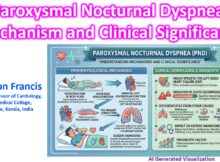
Paroxysmal Nocturnal Dyspnea (PND) is a cardinal symptom of left ventricular decompensation. While often grouped with orthopnea, its underlying biophysical triggers and delayed onset during sleep make it
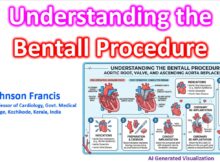
The Bentall procedure is the gold-standard surgical intervention for composite replacement of the aortic valve, aortic root, and ascending aorta, coupled with the re-implantation of the coronary arteries
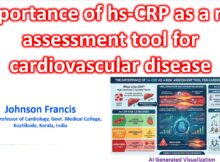
Atherosclerosis is no longer viewed strictly as a lipid related disease; it is fundamentally an inflammatory process. High-sensitivity C-reactive protein (hs-CRP) has emerged as the most clinically validated
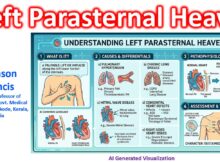
A left parasternal heave (or parasternal lift) is a sustained, palpable precordial impulse that visibly and physically lifts the heel of the examiner’s hand during ventricular systole. That
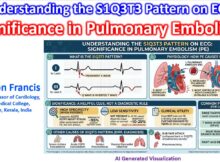
The S1Q3T3 pattern (McGinn-White Sign: Initial description in JAMA 1935) is the most famous ECG finding associated with a pulmonary embolism (PE), but its clinical reputation often outpaces