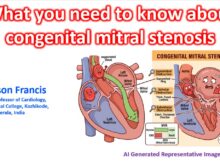
Congenital Mitral Stenosis is a rare, complex cardiac anomaly characterized by an anatomical obstruction of the left ventricular inflow. Unlike the acquired version often seen in adults with
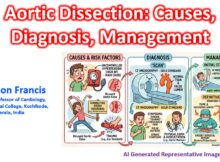
Aortic dissection is a critical, life-threatening condition where a tear occurs in the inner layer (intima) of the aorta. This allows blood to surge through the tear, creating
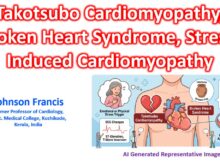
Takotsubo Cardiomyopathy (TTC), often called Broken Heart Syndrome or Stress-Induced Cardiomyopathy, is a fascinating clinical entity that mimics an acute myocardial infarction but typically occurs in the absence
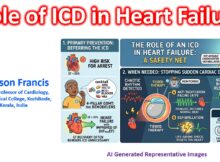
The role of an Implantable Cardioverter Defibrillator (ICD) in heart failure is primarily centered on the prevention of Sudden Cardiac Death (SCD) due to ventricular arrhythmias. While heart
An ITA Composite Graft (most commonly a Y-graft or T-graft) is an advanced surgical configuration where a secondary conduit is attached directly to the Internal Thoracic Artery rather
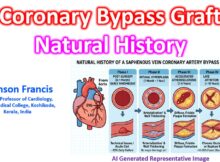
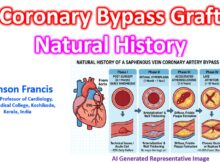
The natural history of coronary artery bypass grafts (CABG) is primarily defined by the progressive development of graft attrition, which differs significantly between arterial and venous conduits. Understanding
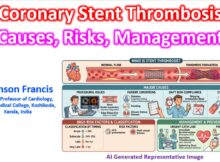
Understanding Coronary Stent Thrombosis Coronary stent thrombosis (ST) is one of the most serious complications following percutaneous coronary intervention (PCI). While modern drug-eluting stents (DES) have made the
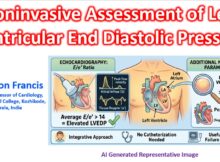
The assessment of Left Ventricular End-Diastolic Pressure (LVEDP) is a cornerstone of hemodynamic evaluation. While the gold standard remains cardiac catheterization, echocardiography provides a robust, noninvasive framework. 1.
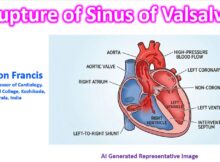
Rupture of the Sinus of Valsalva (RSOV) is a rare but clinically significant clinical event, usually involving a deficiency in the aortic media. It typically presents as a
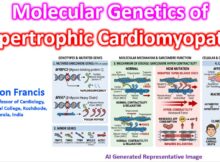
Hypertrophic Cardiomyopathy (HCM) is primarily recognized as a disease of the sarcomere—the fundamental contractile unit of the cardiac muscle cell. It is the most common transitionally inherited cardiac