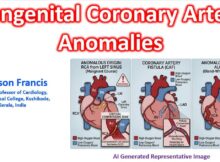
Congenital coronary artery anomalies (CCAAs) are a diverse group of malformations involving the origin, course, or structure of the coronary arteries. While most are benign and discovered incidentally
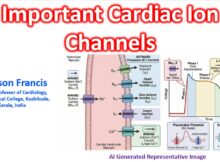
The electrical activity of the heart, which governs every heartbeat, is a finely tuned symphony of ions moving across cell membranes. These movements occur through specialized protein pores
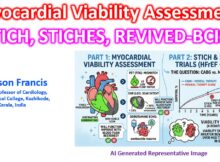
Assessing myocardial viability is a critical step in managing patients with chronic ischemic heart disease and left ventricular (LV) dysfunction. The primary goal is to distinguish between hibernating
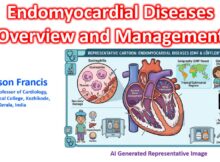
Endomyocardial diseases represent a diverse group of conditions characterized by pathological changes in the endocardium and the adjacent myocardium. These conditions often lead to restrictive cardiomyopathy, heart failure,
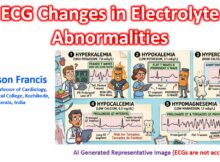
Electrolyte imbalances can profoundly affect the cardiac conduction system, leading to distinct patterns on an ECG. These changes are often the first clinical sign of life-threatening disturbances. 1.
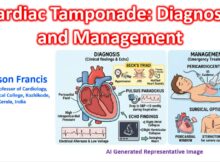
Cardiac tamponade is a life-threatening medical emergency where fluid accumulates in the pericardial sac, increasing intrapericardial pressure to the point that it exceeds intracardiac pressure, leading to impaired
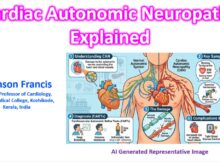
Cardiac Autonomic Neuropathy (CAN) is a serious but often underdiagnosed complication of diabetes (and occasionally other metabolic disorders) where the autonomic nervous system, which controls involuntary heart and
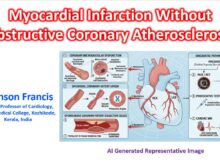
The occurrence of a myocardial infarction (MI) in the absence of obstructive coronary artery disease (CAD) is a well-recognized clinical entity known as MINOCA (Myocardial Infarction with Non-Obstructive
Cardiac rupture is a catastrophic complication typically occurring after a myocardial infarction (MI). It often involves a full-thickness tear of the myocardium, leading to the escape of blood
Reperfusion injury, the paradoxical damage caused when blood flow is restored to previously ischemic tissue, remains one of the most significant hurdles in cardiology and stroke management. While