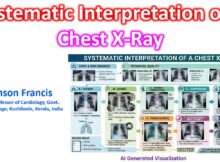
A rigorous, reproducible system is essential for avoiding “satisfaction of search” — stopping your review of the chest X-ray once you find an obvious abnormality and missing secondary
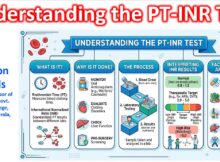
The Prothrombin Time (PT) and International Normalized Ratio (INR) are fundamental assays for evaluating the extrinsic and common pathways of the coagulation cascade. While the test is a
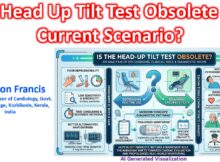
The short answer is no, it is not entirely obsolete, but its role has significantly narrowed in contemporary clinical practice. The Head-Up Tilt Test (HUTT) has transitioned from
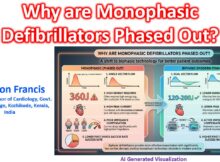
Monophasic defibrillators have been almost entirely phased out of clinical practice because biphasic waveforms achieve higher first-shock success rates using significantly less energy, directly reducing post-resuscitation myocardial injury.
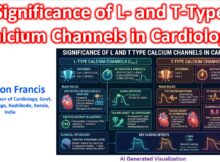
In clinical electrophysiology and cardiac pharmacodynamics, calcium (Ca2+) currents serve as the fundamental bridge between electrical excitation and mechanical contraction. The two primary voltage-gated calcium channels expressed in
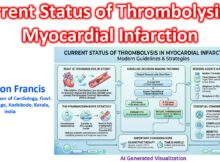
In contemporary clinical cardiology, systemic thrombolysis (fibrinolysis) has shifted from being treated as a standalone reperfusion endpoint into the Pharmacoinvasive Strategy. While Primary Percutaneous Coronary Intervention (pPCI) remains
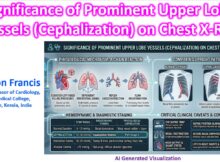
Prominent upper lobe vessels on a chest X-ray—a phenomenon clinically termed cephalization (or redistribution)—is the hallmark radiographic sign of pulmonary venous hypertension (PVH). In a healthy, upright individual,
A modern cardiac catheterization laboratory is built around combining high-resolution real-time imaging with precise hemodynamic monitoring and immediate resuscitation capabilities. Here is a breakdown of the core equipment
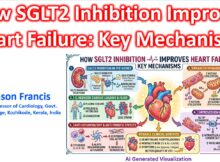
The cardioprotective benefits of SGLT2 inhibitors (like empagliflozin and dapagliflozin) have fundamentally shifted heart failure management. While initially designed for glycemic control, their profound efficacy in both HFrEF
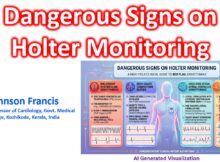
When reviewing a Holter monitor, the clinical significance of any finding heavily depends on the patient’s underlying structural heart health and symptom diary. However, certain “red flag” arrhythmias