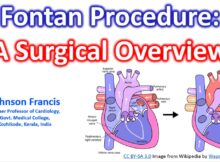
The Fontan procedure is the final stage in a series of palliative surgeries designed for patients with “single ventricle” physiology—congenital heart defects where only one chamber is functionally
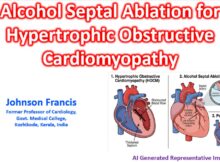
Alcohol septal ablation (ASA) is an established percutaneous intervention for symptomatic hypertrophic obstructive cardiomyopathy (HOCM) refractory to medical therapy. Since its introduction in the mid-1990s, it has evolved
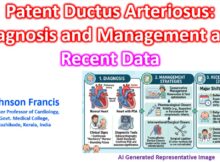
The diagnosis and management of Patent Ductus Arteriosus (PDA) vary significantly based on the patient’s age—ranging from the extremely preterm neonate to the adult—and the hemodynamic impact of
Coronary Intravascular Ultrasound (IVUS) remains a cornerstone of precision PCI, particularly as recent clinical data continues to refine its role in complex substrates. The current landscape of IVUS
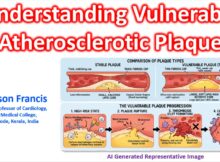
In clinical cardiology, vulnerable plaque refers to an atherosclerotic lesion that is highly susceptible to sudden rupture, which can lead to thrombosis and subsequent acute coronary syndrome (ACS)
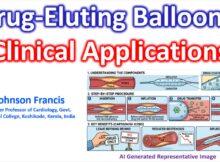
Drug-eluting balloons (DEB), often referred to as drug-coated balloons (DCB), represent a specialized angioplasty technology designed to deliver anti-proliferative medication directly to the arterial wall without the need
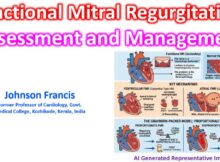
Functional Mitral Regurgitation (FMR), or secondary MR, represents a complex interplay where the mitral valve is a “physiologic bystander” to underlying left ventricular (LV) or atrial pathology. Unlike
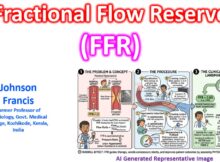
Fractional Flow Reserve (FFR) is the current gold standard for the physiological assessment of coronary artery stenosis. It is defined as the ratio of maximum blood flow in
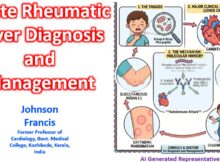
Acute Rheumatic Fever remains a significant cause of cardiovascular morbidity, particularly in developing regions. It is an autoimmune multisystem inflammatory response following a Group A Streptococcal pharyngitis, mediated
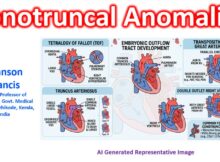
Conotruncal anomalies are a group of congenital heart defects characterized by the abnormal development of the embryonic cardiac outflow tracts, specifically the conus arteriosus (infundibulum) and the truncus